How to Recycle a Hard Disk Safely
11-24-2025
The world is drowning in discarded electronics. In 2022, the world produced a record 62 million tonnes of e-waste, averaging 7.8 kilograms per person. If this trend continues, the total could reach 82 million tonnes by 2030. These figures highlight the urgent need to shift focus from constant production to responsible recycling of electronics
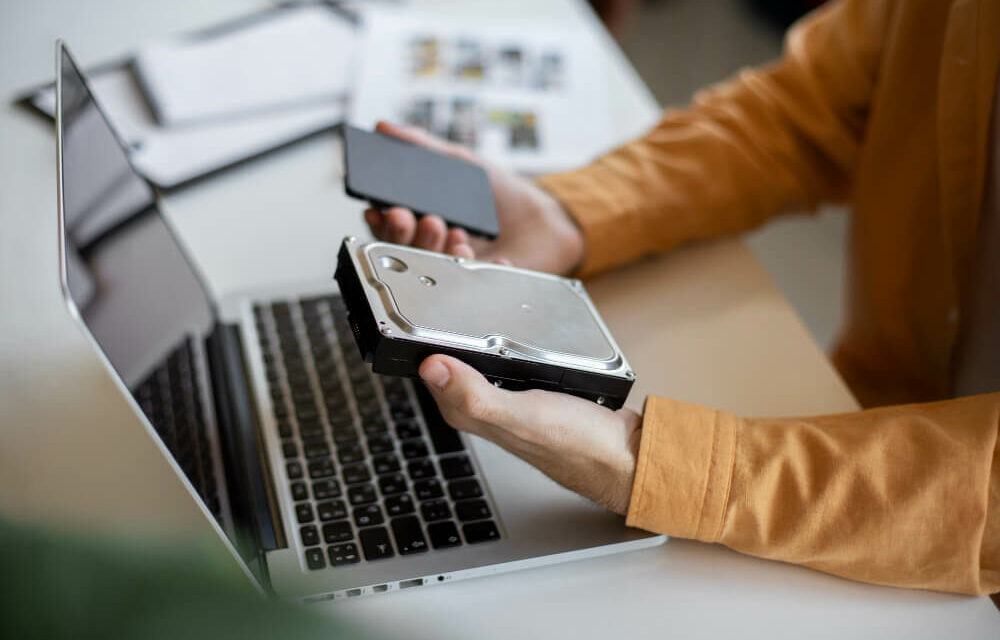
Backing Up First: Don’t Lose Your Files
Deleting files or reformatting your disk doesn’t fully remove your data. Imagine tearing a piece of paper into big chunks — it’s still possible to piece it back together. That’s why simple deletion isn’t enough. Reliable data wiping software like WipeDrive overwrites the entire disk multiple times. This process completely scrambles the information so it cannot be recovered, even with advanced tools. Cyber Recycling uses WipeDrive as part of its secure hard disk drive shredding process, ensuring your hard disk is wiped to meet strict data-security standards recognised across Australia. This level of wiping is trusted by businesses, government organisations, and IT departments that need guaranteed data protection. After wiping is complete, you receive a certificate confirming secure data destruction, giving you confidence that your information has been handled properly and safely.When to Physically Destroy Your Hard Disk
Sometimes, wiping isn’t enough—especially if your hard disk holds highly confidential information. Physical destruction options include shredding, drilling holes, crushing, or degaussing with magnets. This step ensures no data can ever be retrieved. Cyber Recycling combines professional-grade data wiping with physical destruction options. They also provide certificates confirming that your data is completely destroyed.Choosing Certified E-Waste Recyclers
Not all recycling is equal. Certified e-waste recyclers follow strict environmental and safety protocols. Standards like AS/NZS 5377 and ISO 14001 tell you they handle electronic waste responsibly. The team at Cyber Computer Recycling holds these certifications. They have secure warehouses and processes that reduce waste and recover valuable metals safely. Choosing certified recyclers protects you, your data, and the planet.Easy Recycling Options
Recycling should be hassle-free. Cyber Computer Recycling offers mobile labs to remove equipment onsite, scheduled pickups, and convenient drop-off locations in Perth, Adelaide, and Darwin. No matter how big or small your recycling job is, they work around your schedule to make the process seamless.Why Responsible Recycling Makes a Difference
Recycling protects the environment by keeping toxic chemicals like lead and mercury out of landfills. Recovering metals reduces the need for mining, conserving energy and resources. It also protects your data from identity theft or corporate breaches. Taking the right steps helps you stay compliant with Australian laws around data security and waste disposal.Final Thoughts
Recycling a hard disk safely isn’t complicated when you know the steps. Back up your data. Use trusted software like WipeDrive to wipe your disk securely. Consider physical destruction for the most sensitive data. Always work with certified recyclers. Following this process means you’re protecting your information, supporting the environment, and doing things the right way. Cyber Recycling provides all these services with professionalism and care, helping businesses and individuals recycle securely and sustainably.Share this article :
 Copy Link
Use the form below to get in
touch with Cyber Recycling
Other Blog
Global E-Waste Risk and Outcomes of the…
11-24-2025
The world is drowning in discarded electronics. In 2022, the world produced a record 62 million tonnes of…